


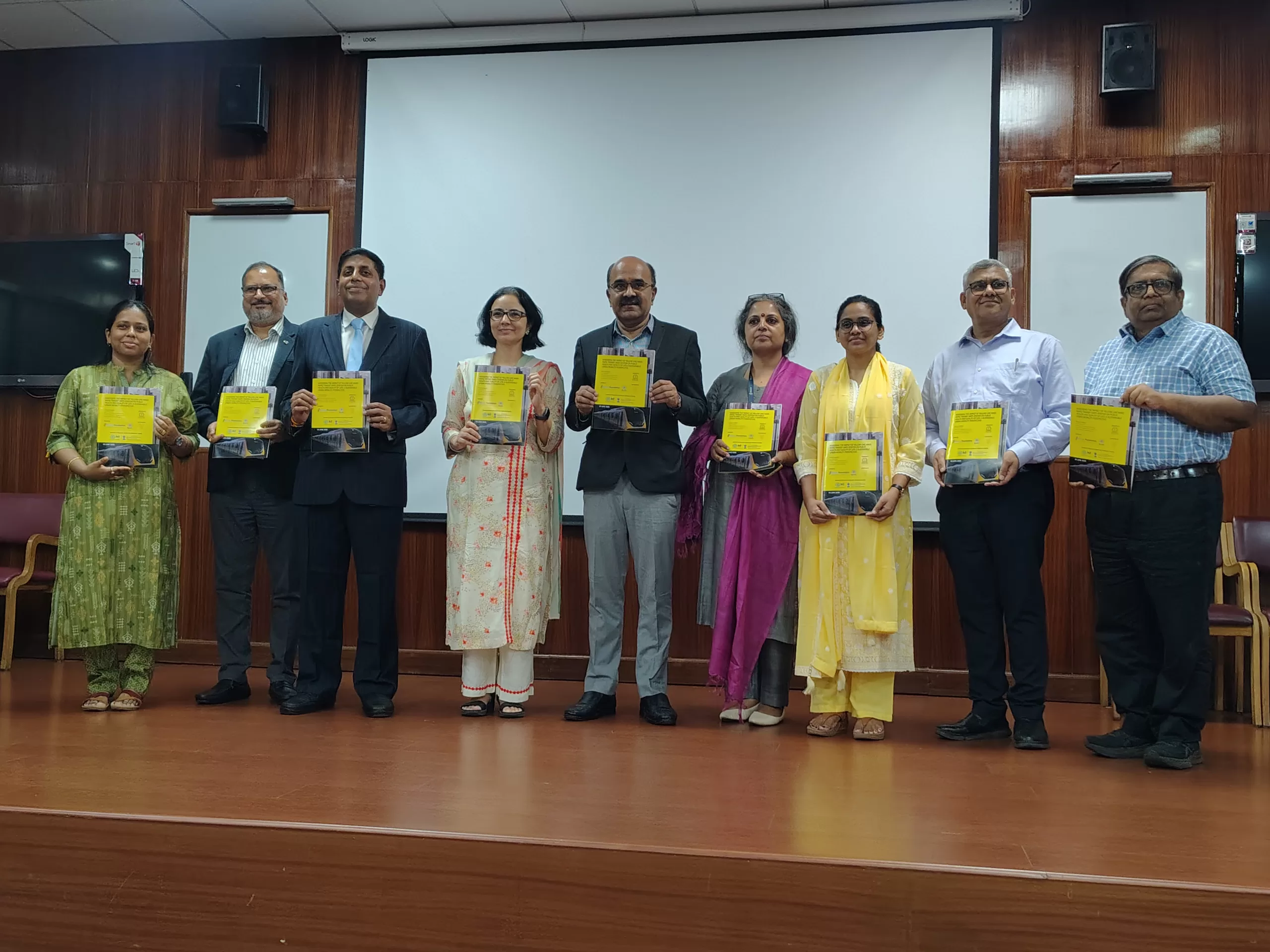
Bengaluru: A landmark study by the Indian Institute of Science (IISc) has found that Bengaluru’s Namma Metro Yellow Line has the potential to significantly enhance public health, wellbeing, and urban liveability, while serving as a model for sustainable mobility across the city.
The study, Assessing the Impact of Yellow Line Mass Rapid Transit (MRT) System on Public Health and Quality of Life: A Sustainable Urban Mobility Perspective, was supported by Biocon Foundation, with additional support from the Electronics City Industries Association (ELCIA), and enabled by the Bengaluru Science and Technology Cluster (BeST Cluster) at IISc.
Conducted by the IISc Sustainable Transportation Lab, the research is the first longitudinal study of its kind in India evaluating the broader social and health impacts of a metro corridor. The study surveyed 600 residents and commuters along the RV Road–Bommasandra corridor through baseline assessments in September 2025 and a follow-up survey in March 2026.
The findings reveal that 83% of respondents are willing to shift to the Metro, highlighting strong public acceptance. Increased Metro usage is expected to encourage physical activity through walking, reduce exposure to air pollution and heat, improve mental wellbeing, strengthen social connectivity, enhance workplace productivity, and lower road accident risks by reducing dependence on private vehicles.
Dr. Anupama Shetty, Mission Director, Biocon Foundation, said, “This study reinforces that public transport is far more than a mobility solution. It is a critical enabler of healthier communities, cleaner environments, and more equitable cities. As Bengaluru continues to grow, investments in sustainable transit, supported by stronger last-mile connectivity and safer pedestrian infrastructure, will be essential to improving quality of life for all citizens.”
The study recommends strengthening feeder services, improving pedestrian infrastructure, and integrating public health considerations into transport planning to maximise the benefits of Metro adoption and support Bengaluru’s long-term sustainable development goals.
